در بازار رقابتی امروز، جایی که قفسههای فروشگاهها مملو از محصولات مشابه هستند، چگونه میتوان محصول خود را از میان انبوه رقبا برجسته کرد؟ پاسخ ساده و در عین حال پیچیده است: بستهبندی خلاقانه. پاکت بسته بندی دیگر صرفاً پوششی برای محافظت از محصول نیست؛ بلکه به یک ابزار قدرتمند بازاریابی، یک راوی داستان برند و یک عامل تعیینکننده در تصمیم خرید مشتری تبدیل شده است. شرکت «بسپار استور»، به عنوان شریک نوآوری شما در صنعت بستهبندی، بر این باور است که خلاقیت در بستهبندی، کلید تمایز و موفقیت پایدار است.
چرا خلاقیت در بستهبندی حیاتی است؟
- جلب توجه فوری: در لحظات اولیه روبرو شدن با محصول، بستهبندی اولین نقطه تماس بصری با مشتری است. یک طرح خلاقانه و جذاب میتواند چشم مشتری را خیره کند و او را به برداشتن محصول و بررسی بیشتر ترغیب نماید. در دنیایی که توجه مصرفکنندگان به سرعت پراکنده میشود، جلب توجه اولیه اهمیت دوچندانی پیدا میکند.
- انتقال ارزش برند: بستهبندی خلاقانه میتواند هویت، شخصیت و ارزشهای برند شما را به شکلی بصری و ماندگار منتقل کند. آیا برند شما لوکس و مینیمال است؟ جوان و پرانرژی؟ یا سنتی و قابل اعتماد؟ طراحی بستهبندی باید بازتابدهنده این ویژگیها باشد و با مخاطب هدف شما همصدا شود.
- ایجاد تمایز از رقبا: وقتی محصولات مشابه در کنار هم قرار میگیرند، بستهبندی خلاقانه مانند یک تابلو راهنما عمل میکند که مشتری را به سمت محصول شما هدایت میکند. این تمایز بصری میتواند برگ برنده شما در سبد خرید مشتری باشد.
- افزایش تجربه مشتری: فراتر از جنبه بصری، خلاقیت میتواند تجربه باز کردن بستهبندی (unboxing experience) را لذتبخشتر کند. بستهبندیهایی که به راحتی باز میشوند، حس خوبی به مشتری میدهند و حتی ممکن است قابلیت استفاده مجدد داشته باشند، رضایت مشتری را افزایش داده و او را به یک سفیر وفادار برند تبدیل کنند.
- محتوای داستانی: بستهبندی خلاقانه میتواند بستری برای روایت داستان برند یا محصول باشد. استفاده از الگوهای منحصر به فرد، تصاویر گیرا، متنهای هوشمندانه یا حتی عناصر تعاملی، میتواند لایهای عمیقتر از ارتباط با مشتری ایجاد کند.
اصول کلیدی در طراحی بستهبندی خلاقانه:
- شناخت عمیق مخاطب: قبل از هر چیز، باید بدانید که چه کسانی مخاطبان شما هستند. علایق، نیازها، سبک زندگی و ارزشهای آنها چیست؟ طراحی خلاقانه باید با زبان و فرهنگ مخاطب شما صحبت کند.
- سادگی در عین پیچیدگی: گاهی اوقات، سادگی اوج خلاقیت است. یک طرح مینیمال و هوشمندانه میتواند تاثیرگذارتر از یک طرح شلوغ و پر زرق و برق باشد. تمرکز بر یک یا دو عنصر کلیدی بصری و اجرای بینقص آنها، اغلب نتیجه بهتری میدهد.
- کیفیت مواد و چاپ: خلاقیت در طرح زمانی به اوج خود میرسد که با کیفیت بالای مواد اولیه و دقت در چاپ همراه شود. استفاده از بافتهای خاص، رنگهای زنده و پرداختهای منحصر به فرد میتواند تفاوت چشمگیری ایجاد کند.
- کاربردی بودن: خلاقیت نباید فدای کاربردی بودن شود. بستهبندی باید همچنان وظیفه اصلی خود یعنی حفاظت از محصول را به بهترین نحو انجام دهد. همچنین، سهولت در حمل، نگهداری و باز شدن نیز باید مد نظر قرار گیرد.
- نوآوری در ساختار: فراتر از طرح گرافیکی، میتوان در ساختار فیزیکی بستهبندی نیز خلاقیت به خرج داد. اشکال هندسی غیرمعمول، مکانیزمهای باز شدن جدید، یا ادغام بستهبندی با خود محصول، راههایی برای نوآوری هستند.
- پایداری و مسئولیتپذیری: امروزه، مصرفکنندگان به محیط زیست اهمیت میدهند. استفاده از مواد بازیافتی، قابل بازیافت یا زیستتخریبپذیر، و طراحی بستهبندیهایی با حداقل ضایعات، خود نوعی خلاقیت مسئولانه است که میتواند برند شما را در نظر مشتریان مثبت جلوه دهد.
- عناصر تعاملی و دیجیتال: ادغام بستهبندی با فناوریهای دیجیتال، مانند کدهای QR که به محتوای بیشتر، تجربیات واقعیت افزوده (AR) یا شبکههای اجتماعی متصل میشوند، میتواند بعد جدیدی از خلاقیت را به ارمغان بیاورد.
نمونههایی از بستهبندیهای خلاقانه:
- بستهبندیهای با قابلیت استفاده مجدد: جعبههایی که پس از مصرف محصول، به عنوان جعبه نگهداری، گلدان یا حتی اسباببازی برای کودکان قابل استفاده باشند.
- بستهبندیهای روایی: جعبههایی که با باز شدن تدریجی، داستانی را روایت میکنند یا اطلاعاتی جذاب را مرحله به مرحله آشکار میسازند.
- بستهبندیهای با طرحهای هنری: همکاری با هنرمندان برای خلق طرحهای منحصر به فرد روی بستهبندی، که خود به یک اثر هنری تبدیل میشود.
- بستهبندیهای مینیمالیستی هوشمند: استفاده حداقلی از رنگ و طرح، اما با تمرکز بر یک نماد یا فرم بصری قوی که به سرعت در ذهن میماند.
- بستهبندیهای با قابلیت شخصیسازی: امکان افزودن نام مشتری، پیام تبریک یا طراحی دلخواه به بستهبندی، که حس خاص بودن را القا میکند.
نتیجهگیری:
بستهبندی خلاقانه تنها یک هزینه اضافی نیست، بلکه یک سرمایهگذاری هوشمندانه در برندسازی و فروش است. در «بسپار استور»، ما با درک عمیق از اهمیت این موضوع، آمادهایم تا شما را در خلق بستهبندیهایی یاری کنیم که نه تنها محصول شما را محافظت میکنند، بلکه آن را به قهرمان قفسه فروشگاه تبدیل کرده و داستانی فراموشنشدنی از برند شما را برای مشتریان روایت میکنند. با ما همراه شوید تا با هم، محصول خود را نه تنها متمایز، بلکه بهیادماندنی سازیم.
- ۰ ۰
- ۰ نظر



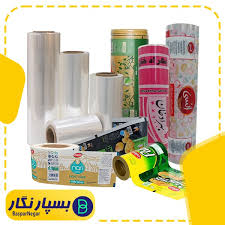

 بستهبندی خلاقانه: چگونه محصول خود را متمایز کنید؟
 شیرآلات اهرمی بخریم یا کلاسیک
/139624430-56a75c643df78cf77294fd37.jpg "7 کاربرد اساسی پلایی وود") 7 کاربرد اساسی پلایی وود
7 کاربرد اساسی پلایی وود/https://www.thestar.com/content/dam/thestar/news/world/2013/09/02/devils_breath_could_be_worlds_scariest_drug/angels_trumpets.jpg "نفس شیطان: ترسناک ترین ماده مخدر دنیا!! سریال قورباغه حقیقت دارد!") نفس شیطان: ترسناک ترین ماده مخدر دنیا!! سریال قورباغه حقیقت دارد!
نفس شیطان: ترسناک ترین ماده مخدر دنیا!! سریال قورباغه حقیقت دارد! آیفون 11 پرومکس یا سامسونگ گلکسی نوت 10 پلاس؟ | طراحی |
 انواع چمن مصنوعی به همراه نکات طلایی!
 تفاوت هولوگرام و لیبل اموال
 آلزایمر چیست؟ علائم و روش های درمان الزایمر سالمندان